
Yacht crew speak out
 Hans Buitelaar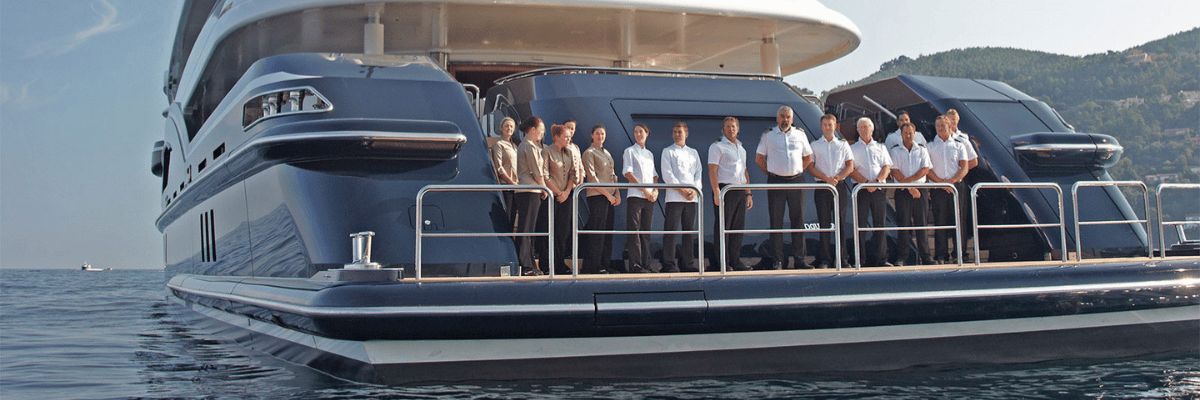
Respected professionalism
Navigation, knowledge of the nicest spots to explore or drop anchor but also knowledge of the specific dangers due to local circumstances, together with maintenance of all ship’s systems, manoeuvring and the handling of mooring lines on deck, the right kind of food and drink to keep all those on board fit and happy: all of the things that crew aboard large yachts will provide are crucial for safe sailing. Yet, the position of super yacht crew is precarious.At the Superyacht Stage during Metstrade’s last edition, in a forum discussion with ISWAN, stories were shared about crew experiences. ISWAN is the International Seafarer’s Welfare & Assistance Network. The forum revealed stories of crew being sexually harassed, bullied, feeling lonely, having to work way too long hours, not having a place to retreat, not being paid when the owner chooses to have the yacht not in operation for some time. How can any owner expect to rely on a professional crew if the crew is not treated as professionals?
Not safe at sea
Crew problems are getting attention. ISWAN has a confidential telephone line available for crew to seek help in pressing situations. The network of female yacht crew ‘Yacht Pearls of Wisdom’ published the Female Yacht Crew Survey – revealing that women or not safe at sea. The fact that one can not get away when aboard a yacht at sea, makes the situation even worse.It is time for the crew to speak out.
Kayleigh Liddell from yacht management agency Hill Robinson, together with the Superyacht Alliance Think Tank 'Bridge between' has initiated the Crew Voices programme. There will be the Crew Voices programme at the next edition of The Superyacht Forum, that is held alongside Metstrade coming November.
Smart investment
Liddell has a background in Human Resources. She has been the driving force of the crew services at the yacht management company over the four-and-a-half years that she is working there. “We need everybody in this industry to understand that it is necessary to invest in crew. This is not a nice thing to do. Investing in crew is a smart thing to do. I really hope that this awareness is going to develop.”Cultures
In the yacht management company, Liddell knows about the dockwalking. The fast pace in which the deckhands and stewardesses change from one yacht to the other is a problem for captains and owners. It is however the result of not providing a safe and rewarding workspace. “There are very few yachts where the crew works together like a team of friends,” she has learnt. “Every yacht has it’s own culture. At some yachts, the captain will hire friends with whom he likes to work.At other yachts, the focus is totally on the professional skills and certificates, combined with the servicing skills and hospitality. Then there are yachts where confidentiality is a very high rated quality. Crew may find the yacht with a culture that suits them. But it’s my job as a recruiter to understand the culture of a yacht. I like to match people to a working environment where they feel at home.”
People skills
The answer the Liddell envisions is training. “Being yacht crew is not a gap year. Requirements for certification and training are high. And along with the nautical and medical skills required, there are also the social skills required. The position of a captain and other senior crew is complicated: they have alll this knowledge about navigation and technology.
But the need to manage a crew of people that share cabins in bunk beds and work long hours every day. This will always lead to tensions. People management skills are not in the training scheme for captains. And do not underestimate the level of social skilll required. In the years that I have been involved in yacht crew services, I have had to deal with crew and family in cases of death, suicide and rape. This is the shocking reality captains have to deal with.” In maritime law, the captain is always responsible for virtually anything that happens on board.
Feel good, sail good
Captain Kelly Gordon is an advocate for crew well-being. A female captain of motor yachts – now on 143 foot long motoryacht ‘Cabo’ and yacht influencer, she knows the position of crew. Gordon celebrates the pretty things of the yachting life but also provides inside information about the life of crew onboard.She sees that mental health is a major issue among crew. “There is work to be done to ensure consistently safe working environments for crew members. One of the most important areas for improvement is recognizing that crew well-being is directly linked to operational safety. Fatigue remains one of the greatest risks in our industry. Long working hours, demanding guest schedules, and limited opportunities for rest can affect judgment, performance, and mental health.
Greater emphasis should be placed on realistic work schedules, adequate manning levels, and strict adherence to work and rest requirements. Mental health support is another area where the industry must continue to evolve. Crew members often work in isolated environments, away from family and support networks for extended periods. It is essential to have access to confidential mental health resources, fostering open communication, and creating cultures where concerns can be raised without fear of retaliation.
I also believe the industry must continue strengthening reporting systems for harassment, bullying, discrimination, and unsafe practices. Crew should feel empowered to report concerns knowing they will be taken seriously and addressed appropriately.”
Impressed
Unsafe situations, disrespect, can be a problem within a crew. Often this also has to do with owners’ and guest’s behaviour. Gordon notices that guests come for luxury and are not aware of the professionalism of the crew.They should learn about that, she argues: “Charter companies have an excellent opportunity to educate guests about the professionalism and expertise of yacht crews before they ever step aboard. Guests are often impressed to learn that captains, engineers, and deck officers hold internationally recognized licenses and undergo continuous training in navigation, emergency response, firefighting, medical care, and safety management.” The captain tries to explain this to all her guests. Often, they are amazed to learn about all of the components that come together to navigate a yacht.
Liddell agrees: “In charter agreements, there should be clauses that make sure if the crew of the yacht is not respected or if instructions regarding safety are not followed, the guests will be dropped off in the next port.”
“Changing the way that this industry is dealing with crew aboard large luxury yachts, is an effort that should be achieved with all those involved: owners, brokers, charter companies, yacht management companies and industry associations.”
For her crew, Captain Gordon likes to provide a rewarding working environment: “Above all, I strive to foster a culture of mutual respect and professionalism. Every crew member, regardless of rank or department, contributes to the safe operation of the vessel. When people feel respected, valued, and supported, they become more engaged in safety and more committed to looking out for one another. That culture is ultimately the foundation of a truly safe yacht.”

The NXT Mindset: Strategic Leadership in the Superyacht Sector
13 November 2025
Former NATO Secretary General to open 2026 edition of The Superyacht Forum with significant keynote
10 September 2026
Crew Voices programme opens applications for Captains and Senior Crew at The Superyacht Forum and Metstrade
02 June 2026